How Long-Term Care Coverage Protects Your Whole Family

| June 10, 2026

What Happens to Your Family if You Don't Have Coverage?

Most of us don't spend much time thinking about what would happen if a serious illness or injury left us needing help with everyday tasks. But it's one of the most important financial questions a family can face, and the time to think about it is before long-term care is needed. In other words, the time to think about it is now.


Consider this… Assisted living facilities and nursing home care can cost upwards of $6,000 a month. Even in-home nursing care averages around $2,000 per month. If you needed that level of care for longer than a few months, where would that money come from?


For most families, the answer is painful. It comes from retirement savings. It comes from the inheritance you spent decades building. And sometimes, it comes from your children.


The Hidden Cost Nobody Plans For


Here's what surprises many people: health insurance, Medicare, and most other traditional coverage are simply not designed to pay for long-term personal care. That includes help with bathing, dressing, getting around the house, and managing daily life. Medicare may cover short-term skilled care under very specific conditions, but it does not cover ongoing personal or custodial care. Medicaid may help in some situations, but qualifying typically requires spending down most of your assets first.


That means, without a plan, the financial burden lands directly on you and your family.


And it's not only a financial burden. When a loved one needs care and no plan is in place, family members often step in to fill the gap themselves. A spouse puts their own health on the back burner. An adult child cuts back work hours or dips into their own savings. Relationships that were built on love and good memories can become strained under the weight of physical, emotional, and financial stress that nobody was prepared for.


The Ripple Effect on Your Legacy


You've likely worked hard to build something for the people you love, like a retirement that provides security, or savings you hoped to pass on to your children.


A long-term care event, without proper coverage, can erode all of that quickly. It's not uncommon for families to see years of savings depleted within a relatively short period of time when care costs are paid entirely out of pocket. What was meant to be a legacy quietly disappears simply because long-term care wasn't part of the conversation.


The earlier you address this, the better positioned you are. Purchasing a policy while you're younger and healthier typically means lower premiums over the life of the policy. Waiting can mean higher costs or, in some cases, limited options.


What Long-Term Care Insurance Can Do


A long-term care insurance policy can help cover a range of services, including in-home care, adult day programs, assisted living, memory care, skilled nursing facilities, hospice services, and respite care for family caregivers. Many comprehensive policies also cover in-home therapies, help with daily activities like meal preparation and housekeeping, and even home modifications such as wheelchair ramps.


For people who want to stay in their own home, the right coverage can make that possible. For families who want to be involved in a loved one's care without being financially or physically overwhelmed by it, coverage creates breathing room.


Every policy is different, and the right plan depends on your needs, your health, and your goals. That's a conversation worth having sooner rather than later.


It's More Than Insurance. It's Protection for Everyone You Love.


Long-term care insurance isn't about expecting the worst. It's about making sure that if something happens, your family has choices. You have choices. The savings you worked to build stay intact. The legacy you wanted to leave behind remains yours to give.


Long-term care insurance is an investment in your family's future.

Ready to learn more? Give us a call and let's talk about what long-term care planning could look like for you and your family.


Four people collaborate around a table with papers, laptops, and craft materials in an office.
July 14, 2026
Help your employees choose the right health insurance plan. Learn the 6 most common open enrollment mistakes and how employers can help avoid them.
Person gesturing while speaking beside a laptop in a home office
July 1, 2026
Open enrollment for 2027 ACA coverage ends earlier, and the February start date is going away. Find the currently-known national schedule and your state's timelines here.
Woman sitting on a couch holding a mug in a bright living room
June 24, 2026
Health insurance covers medical bills, but disability insurance protects your paycheck. Learn how short- and long-term coverage works and why it matters.
Two torn U.S. dollar bills taped together, lying on a brown surface with light shadows.
June 17, 2026
Premium increases aren't the only thing driving up your health plan costs. Learn how behavioral health gaps, specialty care access, and underused benefits data may be quietly inflating your spending, and what you can do about it.
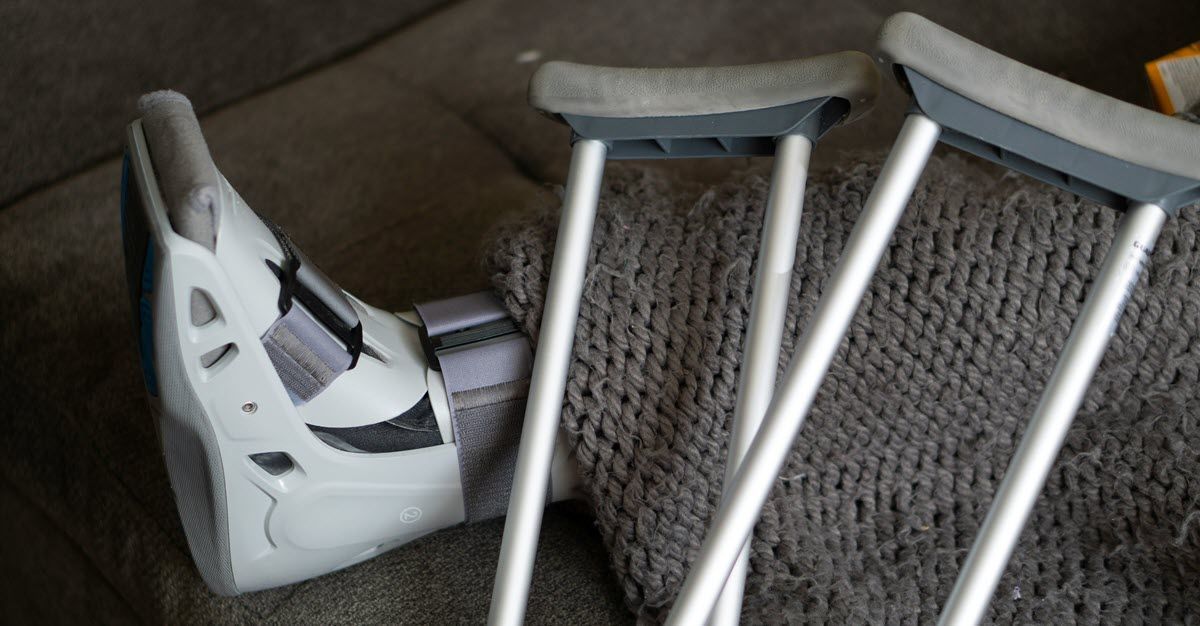
Broken white crutches leaning against a sofa on a carpeted floor
June 3, 2026
Only 35% of workers have employer-sponsored long-term disability coverage. Learn why offering STD and LTD benefits boosts recruiting, retention, and morale.
Two hands pointing at a document with a blue heading and table on a desk
May 27, 2026
Learn how accident insurance helps cover out-of-pocket costs with high-deductible health plans, providing extra financial protection after injuries. 
Four coworkers gathered around a laptop at a bright table in a modern office.
May 20, 2026
Learn seven strategies to boost employee benefits engagement, improve understanding, and increase utilization through multi-channel communications year-round.
Woman visiting a hospital patient in bed beside medical equipment
May 13, 2026
Learn how critical illness insurance can help cover everyday expenses after a serious diagnosis. Discover how it works, what it covers, and whether it fits your financial protection plan.
Woman at a desk reviewing papers and a laptop, hand over mouth, in a home office.
May 4, 2026
Struggling to afford your ACA plan? Learn your options before canceling, including subsidies, plan changes, and why speaking with an agent can help.
A bunch of soda cans are stacked on top of each other
By Agency Bloc July 1, 2025
As the summer sun beckons and thirst levels rise, it's tempting to reach for a cold, fizzy beverage. But before you pop open that soda can, consider this: your drink choice has long-term implications for your health. The Hidden Risks in Your Glass A comprehensive study by the International Agency for Research on Cancer (IARC) analyzed data from over 451,000 individuals across 10 European countries over a 16-year period. The findings revealed that consuming two or more 250 ml glasses of soft drinks daily—whether sugar-sweetened or artificially sweetened—was associated with a higher risk of all-cause mortality compared to those who drank less than one glass per month. Delving deeper: Artificially Sweetened Beverages : Individuals consuming two or more glasses daily had a 26% higher risk of death compared to those who consumed less than one glass per month. Specifically, there was a 52% increased risk of death from circulatory diseases. Sugar-Sweetened Beverages : Those consuming one or more glasses daily faced a 59% higher risk of death from digestive diseases. All Soft Drinks : A notable association was found between soft drink consumption and increased mortality from Parkinson's disease. Alternatives That Aren’t Any Healthier Think fruit juice or energy drinks are a safer bet? A study involving 13,440 U.S. adults aged 45 and older found that each additional 12-ounce serving of sugary beverages, including 100% fruit juice, was linked to an 11% higher risk of all-cause mortality. Specifically, each additional 12-ounce serving of fruit juice was associated with a 24% increased risk. Watch the sugar content of iced coffee beverages and alcoholic cocktails as well. Lifestyle Factors Matter, Too It's essential to note that high soft drink consumption often correlates with other unhealthy lifestyle choices. The IARC study observed that individuals who drank more soft drinks typically had higher body mass indexes and were more likely to smoke. Even after adjusting for factors like diet, physical activity, smoking, and education, the association between soft drink consumption and increased mortality risk remained significant. Refreshing Alternatives for the Season Looking to quench your thirst without compromising your health? Here are some delightful, healthier options: Infused Water : Add slices of citrus fruits, cucumbers, or berries to your water for a refreshing twist. Herbal Iced Teas : Brew teas like hibiscus or mint, chill them, and enjoy over ice. Sparkling Water with a Splash : Mix sparkling water with a splash of 100% fruit juice for a fizzy treat. Homemade Lemonade : Use fresh lemons, water, and a touch of natural sweetener like honey or stevia. Coconut Water : A natural source of electrolytes, perfect for rehydration. Final Thoughts Summer is a time for relaxation and enjoyment. By making informed beverage choices, you can savor the season while prioritizing your health. So, the next time you're reaching for a drink to beat the heat, consider these healthier alternatives. Your body will thank you!
Show More